
Sea buckthorn has an effect – Boosting immune defenses and well-being
The orange-red berry is best known as a “vitamin C bomb.” But the effects of sea buckthorn go far beyond this – in sea buckthorn oils, food supplements or even Natureffekt cosmetics, it provides you with countless active substances and thus strengthens your well-being and immune system.
ZEST FOR LIFE
The free-spirited sea buckthorn is valued for its antioxidant effects. Let it support you in enjoying life with ease.

VITALITY
Sun-loving sea buckthorn contains many valuable ingredients that can give you renewed drive in cases of vitamin deficiency, skin problems (such as neurodermatitis or acne) or loss of appetite.
RESILIENCE
Defending against flu-like infections and supporting your natural skin barrier and mucous membranes – the power fruit sea buckthorn strengthens you sustainably.
Which vitamins, fatty acids, minerals and other active substances do sea buckthorn berries and sea buckthorn leaves contain?
The Sea Buckthorn Berry
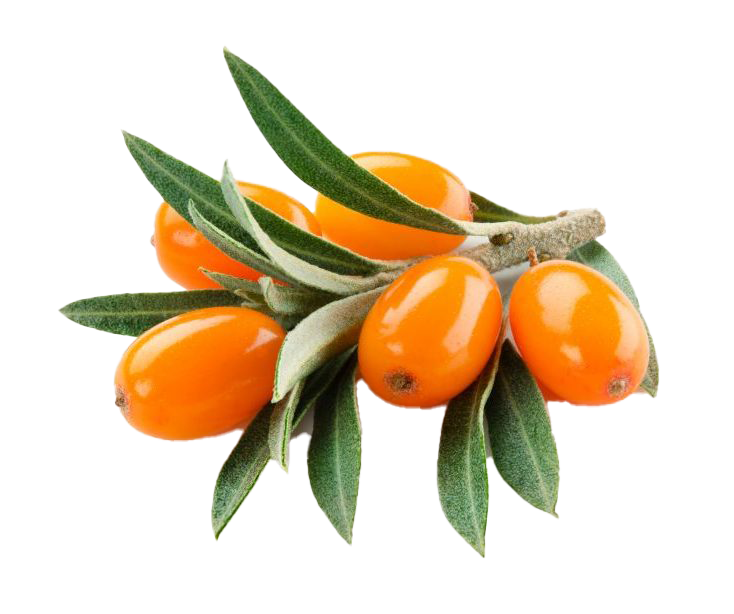
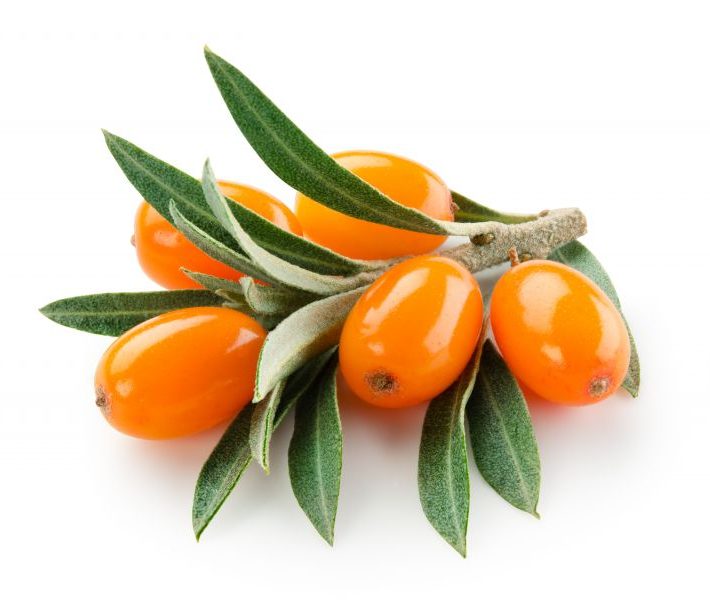
Sea buckthorn fruits ripen in late summer and, under the influence of the sun, develop their diverse substances – essential nutrients for the human body. The pea-sized, oval, typically orange-red fruits are harvested in autumn before the first frost. The pulp has a thin, pulpy consistency and tastes tart and aromatic. These small fruits pack a powerful punch. Their pulp is a true powerhouse of healthy ingredients. This is promoted by the storage of solar energy, meaning that consuming sea buckthorn berries is particularly supportive of the body’s natural vitality during periods with little daylight.
Water-soluble vitamins
| Ingredients | Properties |
|---|---|
| Vitamin C | Increases iron absorption; helps protect cells from oxidative stress; contributes to the normal function of the immune system; contributes to the reduction of tiredness and fatigue; contributes to normal collagen formation for the normal function of teeth |
| Vitamin B1 (Thiamine) | Contributes to the normal function of the nervous system |
| Vitamin B2 (Riboflavin) | Contributes to normal energy-yielding metabolism; contributes to the maintenance of normal mucous membranes |
| Vitamin B3 (Niacin) | Contributes to the maintenance of normal mucous membranes; contributes to the normal function of the nervous system |
| Vitamin B9 (Folic acid) | Function in blood formation and cell division |
| Vitamin B12 (Cobalamin) | Contributes to the normal formation of red blood cells |
Fat-soluble vitamins
| Ingredients | Properties |
|---|---|
| Vitamin E (Tocopherols and tocotrienols) |
Antioxidant; helps protect cells from oxidative stress |
| Provitamin A (Beta-carotene) |
Antioxidant; contributes to the maintenance of normal vision; contributes to the normal function of the immune system |
| Flavonoids | |
| Plastochromanol | Antioxidant |
Unsaturated fatty acids
| Ingredients | Properties |
|---|---|
| Palmitoleic acid | Omega-7 fatty acid |
| Oleic acid | Monounsaturated fatty acid |
| Linoleic acid | Essential omega-6 fatty acid; moisturizing effect for the skin |
| Linolenic acid | Plant-based omega-3 fatty acid; support during inflammatory processes |
| Palmitic acid | Saturated fatty acid; supports the functions of the organism; energy storage; nourishing effect for the skin |
Minerals and trace elements
| Ingredients | Properties |
|---|---|
| Zinc | Contributes to the process of cell division; contributes to the normal function of the immune system |
| Copper | Contributes to normal iron transport in the body; contributes to the maintenance of normal connective tissue |
| Iron | Contributes to normal oxygen transport in the body |
| Cobalt | |
| Calcium | Is needed for the maintenance of normal bones |
| Potassium | Contributes to normal muscle function |
| Magnesium | Contributes to the reduction of tiredness and fatigue; contributes to normal muscle function |
| Manganese | Contributes to the maintenance of normal bones |
Other plant-based active ingredients
| Ingredients | Properties |
|---|---|
| Phytoestrogens | Antioxidant |
| Phytosterols | Antioxidant |
| Biogenic amines | Building blocks for enzymes and vitamins, among other things |
| Essential amino acids | Building blocks of proteins |
| Tannins | Soluble in water and alcohol |
| Phenols (phenolic acids and flavonoids) | Antioxidant |
| Diterpenes, triterpenes | Biologically diverse; can be used as fragrances and flavorings |
| Serotonin (5-hydroxytryptamine) | |
| Metallothioneins | Antioxidant |
Carbohydrates and proteins
Energy supply for the body; ensuring organic performance capabilities
Water-soluble vitamins
| Ingredients | Properties |
|---|---|
| Vitamin C | Increases iron absorption; contributes to the protection of cells from oxidative stress; contributes to the normal function of the immune system; contributes to the reduction of tiredness and fatigue; contributes to normal collagen formation for the normal function of the teeth |
| Vitamin B1 (Thiamine) | Contributes to the normal function of the nervous system |
| Vitamin B2 (Riboflavin) | Contributes to normal energy-yielding metabolism; contributes to the maintenance of normal mucous membranes |
| Vitamin B3 (Niacin) | Contributes to the maintenance of normal mucous membranes; contributes to the normal function of the nervous system |
| Vitamin B9 (Folic acid) | Function in blood formation and cell division |
| Vitamin B12 (Cobalamin) | Contributes to the normal formation of red blood cells |
Fat-soluble vitamins
| Ingredients | Properties |
|---|---|
| Vitamin E (Tocopherols and tocotrienols) |
Antioxidant; helps protect cells from oxidative stress |
| Provitamin A (Beta-carotene) |
Antioxidant; contributes to the maintenance of normal vision; contributes to the normal function of the immune system |
| Flavonoids | |
| Plastochromanol | Antioxidant |
Unsaturated fatty acids
| Ingredients | Properties |
|---|---|
| Palmitoleic acid | Omega-7 fatty acid |
| Oleic acid | Monounsaturated fatty acid |
| Linoleic acid | Essential omega-6 fatty acid; moisturizing effect for the skin |
| Linolenic acid | Plant-based omega-3 fatty acid; support during inflammatory processes |
| Palmitic acid | Saturated fatty acid; supports the functions of the organism; energy storage; nourishing effect for the skin |
Minerals and trace elements
| Ingredients | Properties |
|---|---|
| Zinc | Has a function in cell division; contributes to the normal function of the immune system |
| Copper | Contributes to normal iron transport in the body; contributes to the maintenance of normal connective tissue |
| Iron | Contributes to normal oxygen transport in the body |
| Cobalt | |
| Calcium | Is needed for the maintenance of normal bones |
| Potassium | Contributes to normal muscle function |
| Magnesium | Contributes to the reduction of tiredness and fatigue; contributes to normal muscle function |
| Manganese | Contributes to the maintenance of normal bones |
Other Plant-Based Active Ingredients
| Ingredients | Properties |
|---|---|
| Phytoestrogens | Antioxidant |
| Phytosterols | Antioxidant |
| Biogenic amines | Building blocks for, among other things, enzymes and vitamins |
| Essential amino acids | Building blocks of proteins |
| Tannins | Soluble in water and alcohol |
| Phenols (phenolic acids and flavonoids) | Antioxidant |
| Diterpenes, triterpenes | Biologically active in many ways; can be used as fragrances and flavorings |
| Serotonin (5-hydroxytryptamine) | |
| Metallothioneins | Antioxidant |
Carbohydrates and proteins
Energy supply for the body; ensuring organic performance capabilities

The Sea Buckthorn Leaves
Harvesting sea buckthorn leaves for First Flush quality is laborious and requires the utmost care and mindfulness. They are harvested by hand, leaf by leaf, so as not to damage the plants and to ensure the complete preservation of the high-quality substances.
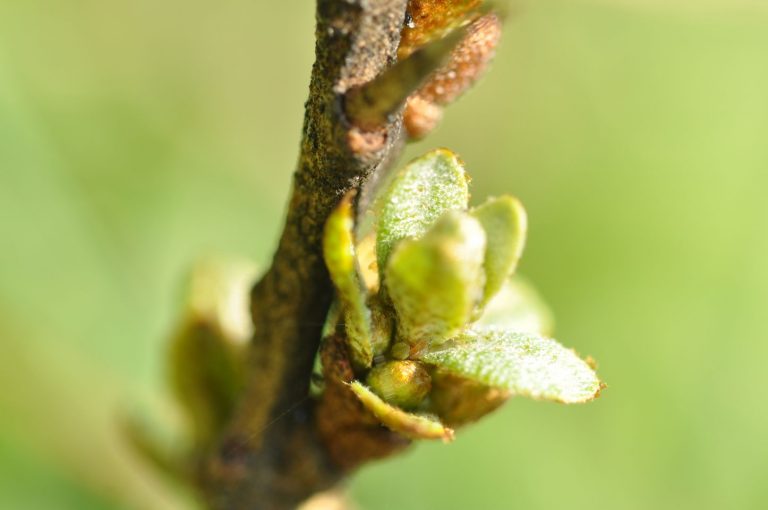
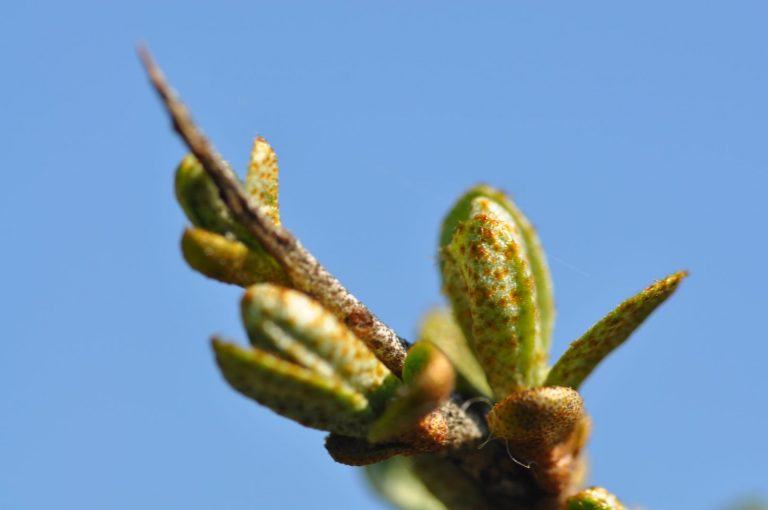
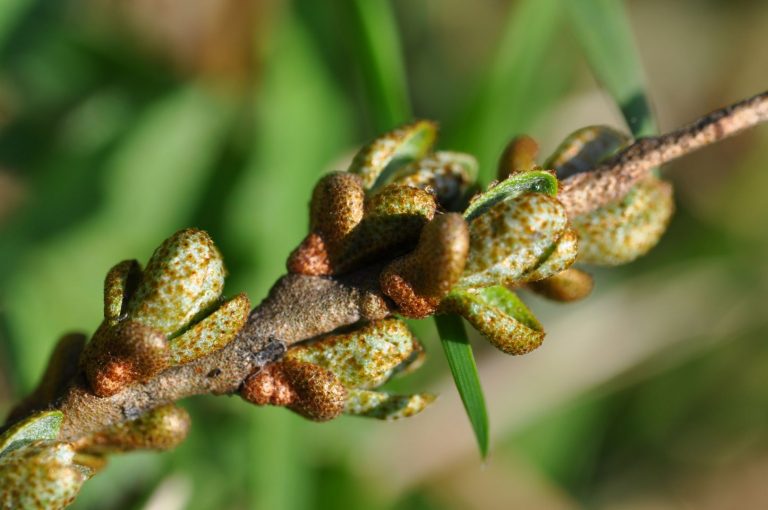
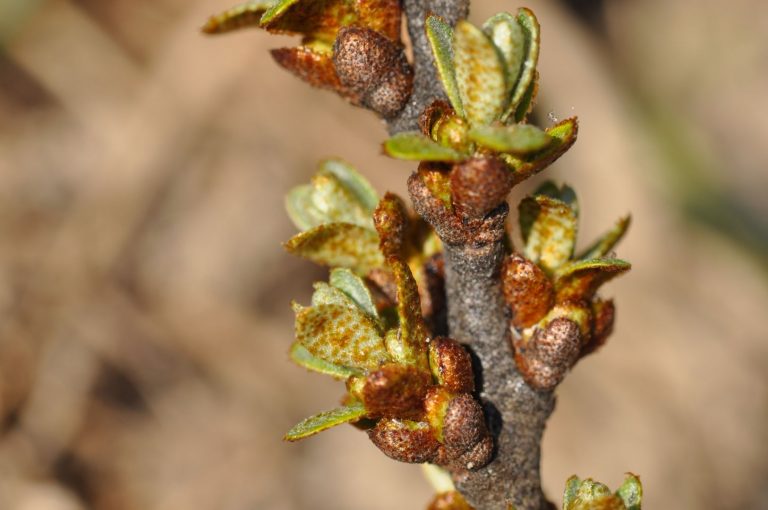
The sea buckthorn’s leaves, which are between four and eight centimeters long and arranged alternately, have short stalks and are willow-like and lanceolate in appearance. The gray-green upper surface has a smooth leaf margin and tapers inward with star-shaped hairs, while the whitish underside is densely covered with shield hairs. These regulate the plant’s water balance.
Water-soluble vitamins
| Ingredients | Properties |
|---|---|
| Vitamin C | Increases iron absorption; helps protect cells from oxidative stress; contributes to the normal function of the immune system; contributes to the reduction of tiredness and fatigue; contributes to normal collagen formation for the normal function of teeth |
| Vitamin B1 (Thiamine) | Contributes to the normal function of the nervous system |
| Vitamin B2 (Riboflavin) | Contributes to normal energy-yielding metabolism; contributes to the maintenance of normal mucous membranes |
| Vitamin B3 (Niacin) | Contributes to the maintenance of normal mucous membranes; contributes to the normal function of the nervous system |
| Vitamin B9 (Folic acid) | Function in blood formation and cell division |
| Vitamin B12 (Cobalamin) | Contributes to the normal formation of red blood cells |
Fat-soluble vitamins
| Ingredients | Properties |
|---|---|
| Vitamin E (Tocopherols and tocotrienols) |
Antioxidant; helps protect cells from oxidative stress |
| Provitamin A (Beta-carotene) |
Antioxidant; contributes to the maintenance of normal vision; contributes to the normal function of the immune system |
| Flavonoids | |
| Plastochromanol | Antioxidant |
Unsaturated fatty acids
| Ingredients | Properties |
|---|---|
| Palmitoleic acid | Omega-7 fatty acid |
| Oleic acid | Monounsaturated fatty acid |
| Linoleic acid | Essential omega-6 fatty acid; moisturizing effect for the skin |
| Linolenic acid | Plant-based omega-3 fatty acid; support during inflammatory processes |
| Palmitic acid | Saturated fatty acid; supports the functions of the organism; energy storage; nourishing effect for the skin |
Minerals and trace elements
| Ingredients | Properties |
|---|---|
| Zinc | Contributes to the process of cell division; contributes to the normal function of the immune system |
| Copper | Contributes to normal iron transport in the body; contributes to the maintenance of normal connective tissue |
| Iron | Contributes to normal oxygen transport in the body |
| Cobalt | |
| Calcium | Is needed for the maintenance of normal bones |
| Potassium | Contributes to normal muscle function |
| Magnesium | Contributes to the reduction of tiredness and fatigue; contributes to normal muscle function |
| Manganese | Contributes to the maintenance of normal bones |
Other plant-based active ingredients
| Ingredients | Properties |
|---|---|
| Phytoestrogens | Antioxidant |
| Phytosterols | Antioxidant |
| Biogenic amines | Building blocks for enzymes and vitamins, among other things |
| Essential amino acids | Building blocks of proteins |
| Tannins | Soluble in water and alcohol |
| Phenols (phenolic acids and flavonoids) | Antioxidant |
| Diterpenes, triterpenes | Biologically diverse; can be used as fragrances and flavorings |
| Serotonin (5-hydroxytryptamine) | |
| Metallothioneins | Antioxidant |
Carbohydrates and proteins
Energy supply for the body; ensuring organic performance capabilities
Water-soluble vitamins
| Ingredients | Properties |
|---|---|
| Vitamin C | Increases iron absorption; contributes to the protection of cells from oxidative stress; contributes to the normal function of the immune system; contributes to the reduction of tiredness and fatigue; contributes to normal collagen formation for the normal function of the teeth |
| Vitamin B1 (Thiamine) | Contributes to the normal function of the nervous system |
| Vitamin B2 (Riboflavin) | Contributes to normal energy-yielding metabolism; contributes to the maintenance of normal mucous membranes |
| Vitamin B3 (Niacin) | Contributes to the maintenance of normal mucous membranes; contributes to the normal function of the nervous system |
| Vitamin B9 (Folic acid) | Function in blood formation and cell division |
| Vitamin B12 (Cobalamin) | Contributes to the normal formation of red blood cells |
Fat-soluble vitamins
| Ingredients | Properties |
|---|---|
| Vitamin E (Tocopherols and tocotrienols) |
Antioxidant; helps protect cells from oxidative stress |
| Provitamin A (Beta-carotene) |
Antioxidant; contributes to the maintenance of normal vision; contributes to the normal function of the immune system |
| Flavonoids | |
| Plastochromanol | Antioxidant |
Unsaturated fatty acids
| Ingredients | Properties |
|---|---|
| Palmitoleic acid | Omega-7 fatty acid |
| Oleic acid | Monounsaturated fatty acid |
| Linoleic acid | Essential omega-6 fatty acid; moisturizing effect for the skin |
| Linolenic acid | Plant-based omega-3 fatty acid; support during inflammatory processes |
| Palmitic acid | Saturated fatty acid; supports the functions of the organism; energy storage; nourishing effect for the skin |
Minerals and trace elements
| Ingredients | Properties |
|---|---|
| Zinc | Has a function in cell division; contributes to the normal function of the immune system |
| Copper | Contributes to normal iron transport in the body; contributes to the maintenance of normal connective tissue |
| Iron | Contributes to normal oxygen transport in the body |
| Cobalt | |
| Calcium | Is needed for the maintenance of normal bones |
| Potassium | Contributes to normal muscle function |
| Magnesium | Contributes to the reduction of tiredness and fatigue; contributes to normal muscle function |
| Manganese | Contributes to the maintenance of normal bones |
Other Plant-Based Active Ingredients
| Ingredients | Properties |
|---|---|
| Phytoestrogens | Antioxidant |
| Phytosterols | Antioxidant |
| Biogenic amines | Building blocks for, among other things, enzymes and vitamins |
| Essential amino acids | Building blocks of proteins |
| Tannins | Soluble in water and alcohol |
| Phenols (phenolic acids and flavonoids) | Antioxidant |
| Diterpenes, triterpenes | Biologically active in many ways; can be used as fragrances and flavorings |
| Serotonin (5-hydroxytryptamine) | |
| Metallothioneins | Antioxidant |
Carbohydrates and proteins
Energy supply for the body; ensuring organic performance capabilities
The Origin of Sea Buckthorn
Sea buckthorn originally comes from Nepal and spread from there to Russia, China, Canada, Mongolia and the Scandinavian countries. Today, the leading cultivation areas include France, China and Germany.
The Latin name for sea buckthorn is hippohae rhamnoides and literally means “shining horse, buckthorn-like.” Etymologically, this goes back to the fact that in ancient times sea buckthorn was mixed into horses’ feed to make their coats shiny, while “buckthorn-like” refers to the wild plant’s strong thorns.
Sea buckthorn – a versatile all-rounder
Many components of sea buckthorn plants contain vital substances that the human body cannot produce itself, which is why it depends on obtaining them from external sources.
Whether as sea buckthorn oil, as juice in our Fresh Elixir or in our natural cosmetics – discover the all-rounder sea buckthorn for yourself.
Make the power of sea buckthorn your own
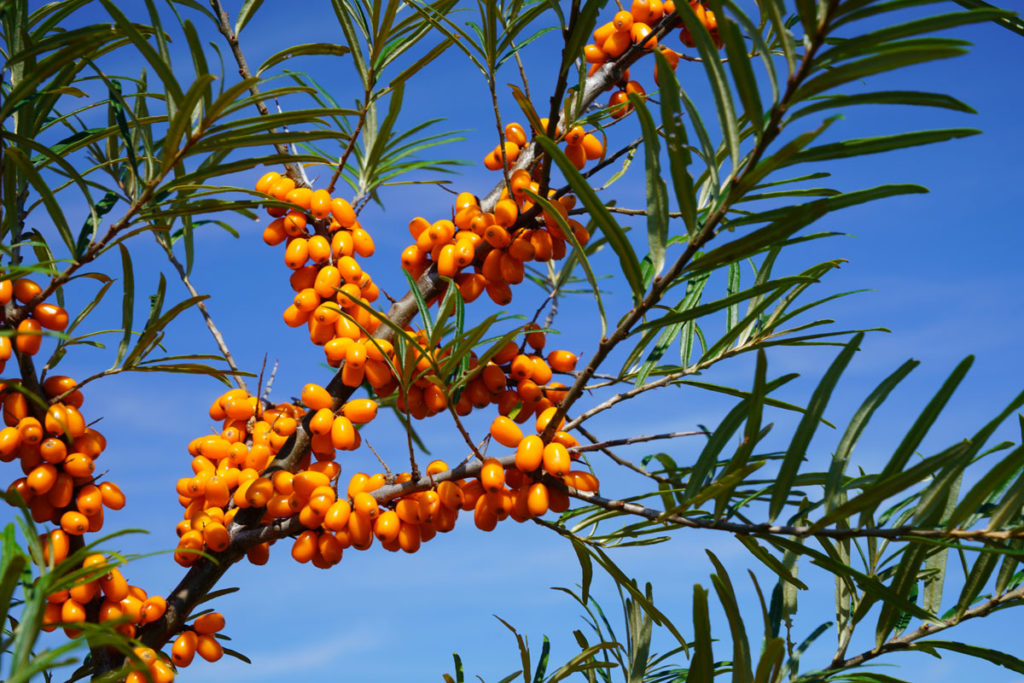
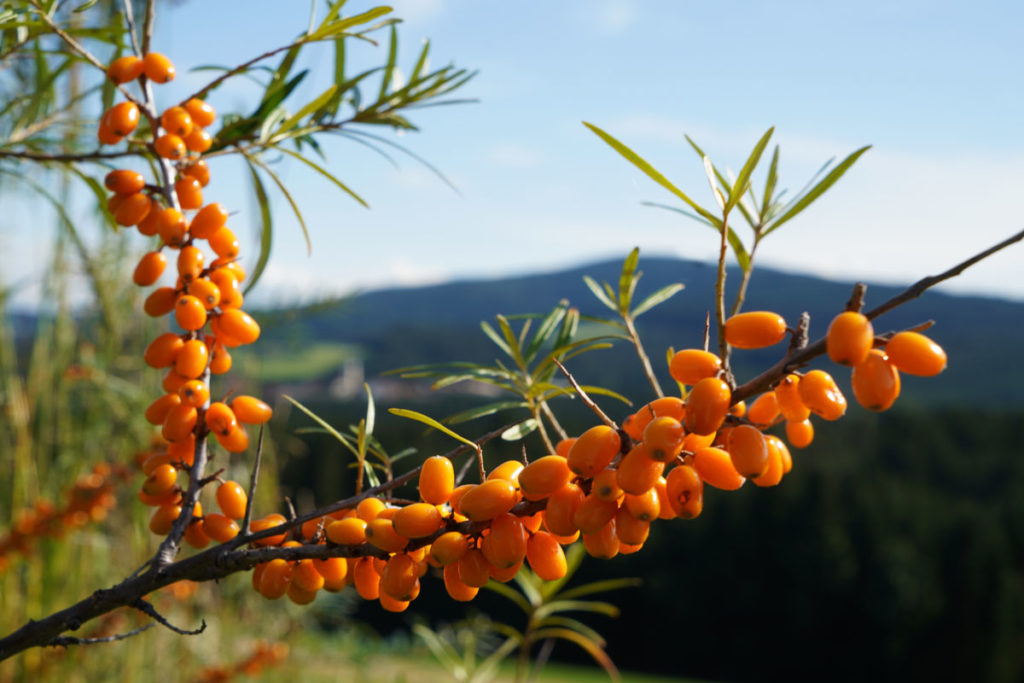
The characteristics of the sea buckthorn plant have a positive influence on the body and well-being in a figurative sense. Thus, the plant’s thorns can be seen as a symbol of its ability to defend itself. In difficult situations, it is often necessary to protect yourself and set boundaries.
The fact that the sea buckthorn plant survives with extremely few nutrients is a sign of exceptional vitality and strength. Born from barren conditions, it accumulates exceptionally high concentrations of active ingredients in all its components, such as branches, flowers, leaves, fruits and seeds.

Sea buckthorn – a true survivor
Sea buckthorn is ideally suited to organic cultivation, as its nitrogen-fixing root system ensures loose, oxygen-rich soil. Its extensive, deep roots also spread through barren soils, making sea buckthorn an ideal plant for counteracting soil erosion.
It can withstand drought, heat and frost and, above all, needs one thing for its growth and the development of its valuable ingredients for humans – cosmic nourishment in the form of abundant sunlight.
Fruit Formation in Sea Buckthorn
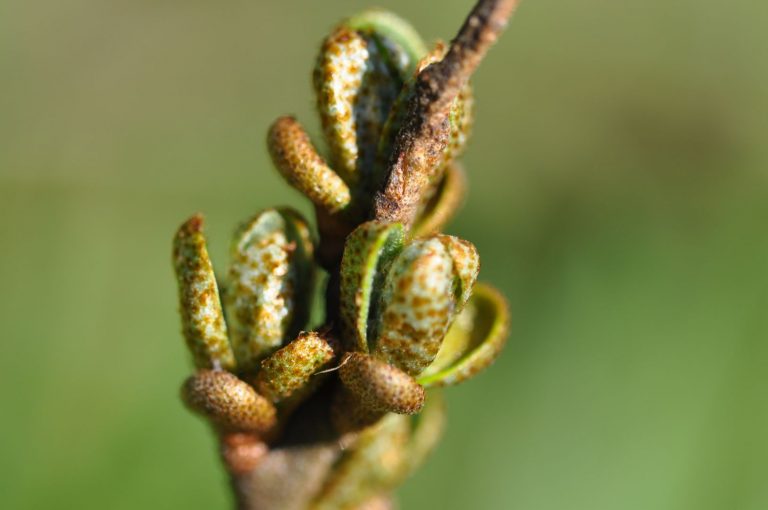
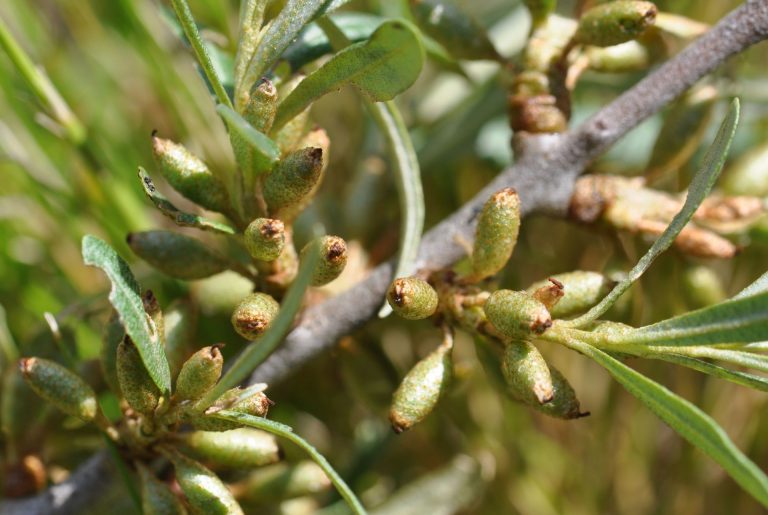
The sea buckthorn plant is dioecious and consists of female and male shrubs. For berries to form, the female plant must be pollinated by the pollen from the male plant’s flowers. Since this occurs through wind pollination, fertilization depends on favorable pollen dispersal.
Gentle Harvesting Methods
Depending on the variety, sea buckthorn berries are harvested from August to October. This is extremely laborious and requires the utmost care and mindfulness to avoid damaging the individual parts of the plant. At Sandicca, we always act in harmony with nature. Cultivation and harvesting are therefore not carried out with the aim of achieving the highest possible yields, but rather the optimum flavor and sustainable cultivation methods.

Please note! Our SANDICCA products are not medicinal products and are therefore not intended for the treatment or cure of diseases. If you have existing health problems, please seek medical advice. SANDICCA accepts no liability for any disadvantages, impairments or damage resulting from failure to observe this notice. SANDICCA recommends a varied and balanced diet, sufficient exercise and a health-conscious lifestyle. The following information does not claim to be complete. No promise of efficacy is made.
